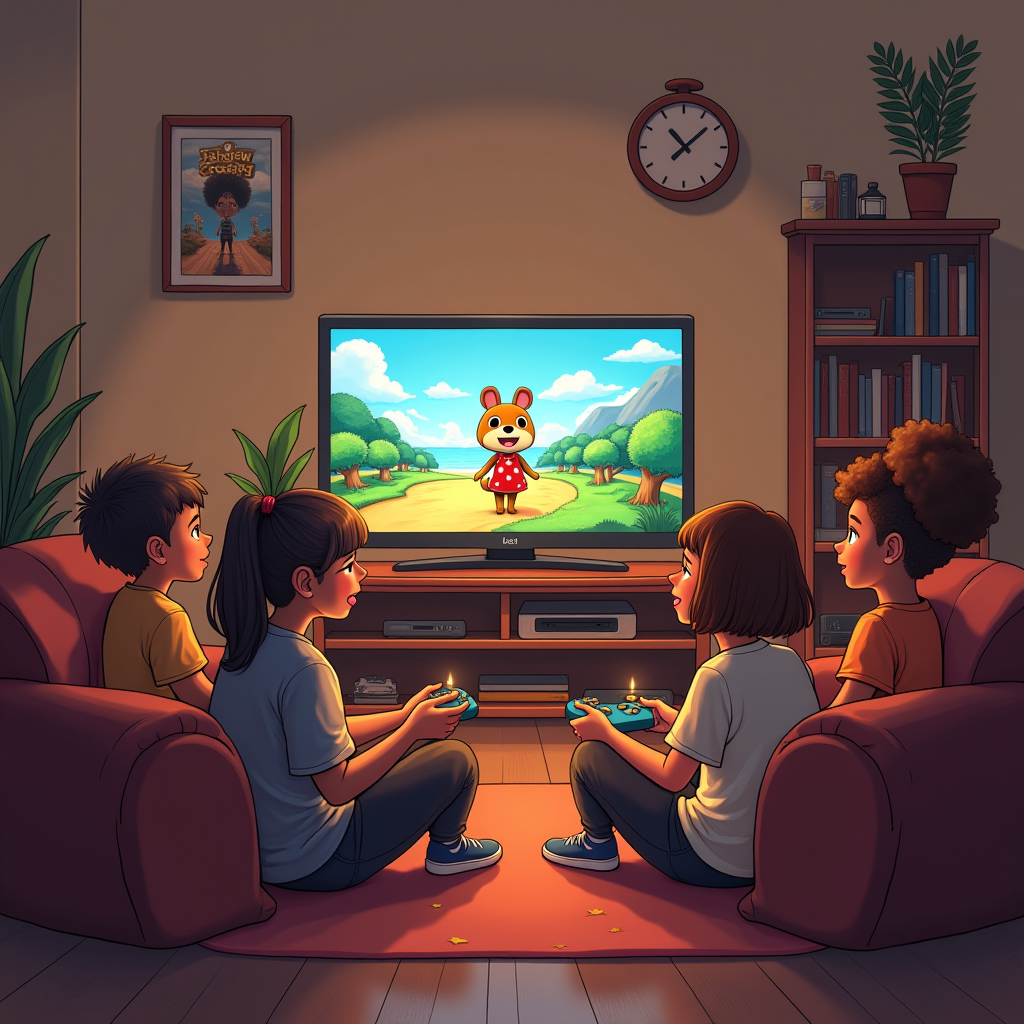
In the fast-paced, competitive landscape of modern gaming, a quiet revolution has been taking place. While esports tournaments draw millions of viewers and battle royale games dominate streaming platforms, a different kind of gaming community has been flourishing in the corners of the internet—one built not on leaderboards and kill counts, but on shared gardens, decorated islands, and carefully unpacked boxes.
The explosive growth of communities centered around cozy, low-stress games represents a fundamental shift in how we think about gaming social dynamics and player identity. These spaces have become sanctuaries for millions of players seeking connection without competition, creativity without pressure, and belonging without toxicity. As we examine this phenomenon, we discover that these gaming communities are redefining what it means to be part of a gamer culture in the 2020s.
The Cozy Gaming Revolution: More Than Just a Trend
The term "cozy gaming" has evolved from a niche descriptor to a full-fledged genre classification, encompassing titles that prioritize relaxation, creativity, and emotional comfort over challenge and competition. Games like Stardew Valley, Animal Crossing: New Horizons, Unpacking, A Short Hike, and Spiritfarer have collectively attracted tens of millions of players, but more importantly, they've spawned vibrant, supportive communities that operate fundamentally differently from traditional gaming subcultures.
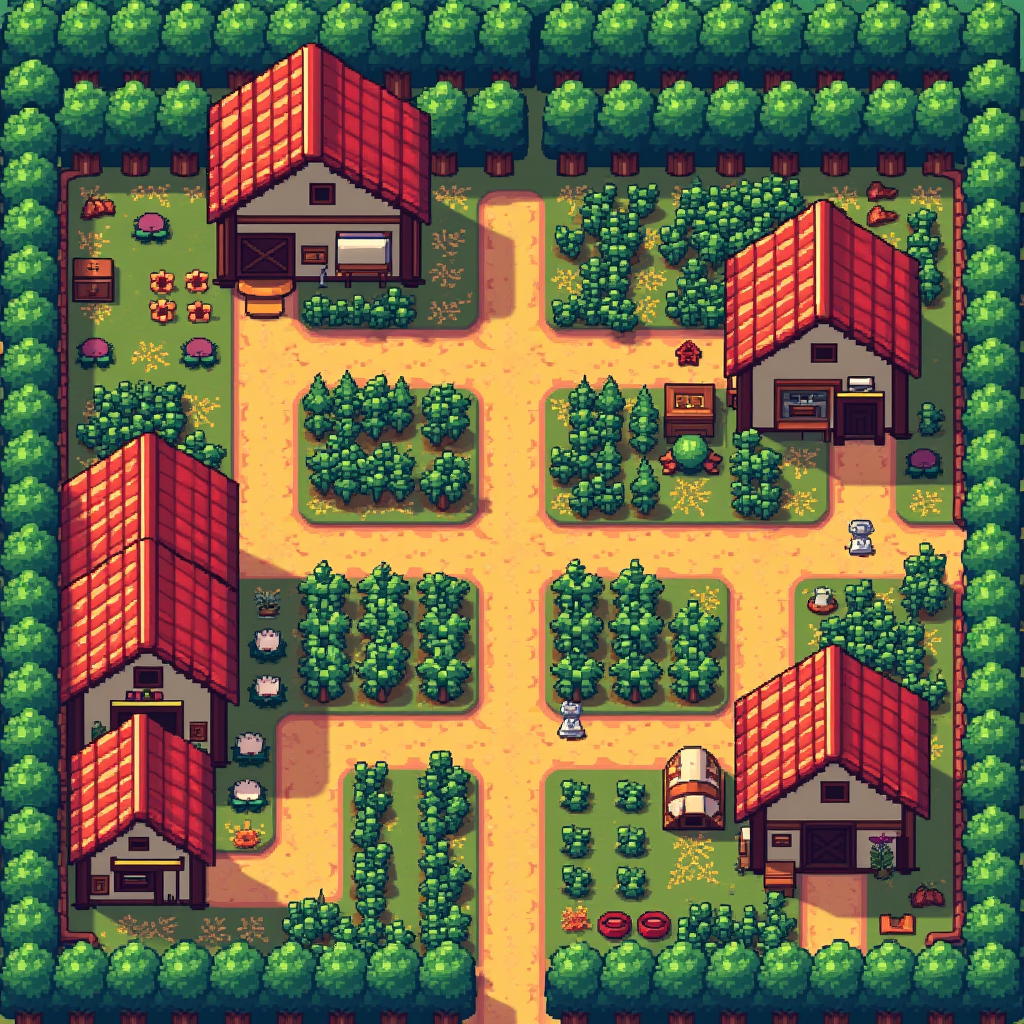
Sarah Chen, a moderator of the 450,000-member Stardew Valley subreddit, explains the appeal: "People come to our community not to show off their skills or compete for rankings, but to share their farm layouts, celebrate their in-game marriages, and ask for advice on which crops to plant. There's no judgment, no gatekeeping—just genuine enthusiasm for each other's experiences."
The Numbers Behind the Movement
The growth of cozy gaming communities has been nothing short of remarkable. Stardew Valley, created by a single developer, has sold over 30 million copies since its 2016 release, with community engagement remaining consistently high years after launch. Animal Crossing: New Horizons became a cultural phenomenon during the 2020 pandemic, selling over 42 million copies and spawning countless Discord servers, subreddits, and social media groups dedicated to island design, turnip trading, and villager appreciation.
But raw numbers only tell part of the story. What makes these communities remarkable is their engagement quality and longevity. Unlike many gaming communities that experience rapid turnover or become toxic over time, cozy gaming communities maintain high levels of positive interaction and mutual support years after their founding.
Community Architecture: How Cozy Spaces Are Built
The structure of cozy gaming communities differs significantly from traditional gaming subcultures. Rather than organizing around competitive ladders, clan hierarchies, or skill-based divisions, these communities create spaces for sharing, collaboration, and emotional support. This architectural difference shapes every aspect of community interaction, from the language used to the types of content celebrated.
Creativity Over Competition
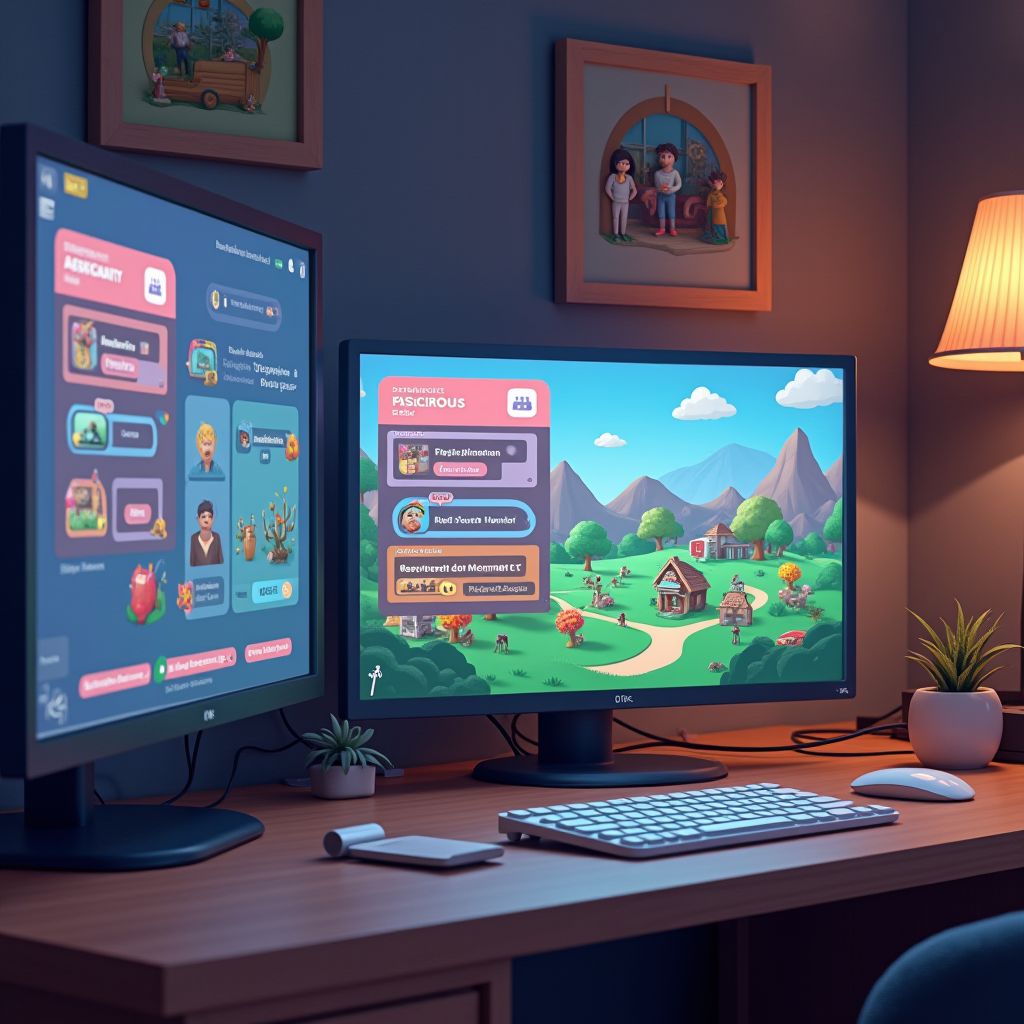
Marcus Rodriguez, who manages a 75,000-member Animal Crossing Discord server, describes the community's focus: "We have channels for everything from island design inspiration to custom pattern sharing. People spend hours creating content not to win anything, but because they genuinely want to help others make their islands beautiful. The competitive element that drives so many gaming communities just isn't present here—or rather, it's been replaced by collaborative creativity."
This emphasis on creativity manifests in numerous ways. Cozy gaming communities host design challenges where everyone's submission is celebrated, organize virtual tours of each other's creations, and maintain extensive libraries of tips, tricks, and inspiration. The focus shifts from "being the best" to "helping everyone create something they love."
Community Spotlight: The "Cozy Grove" Discord server runs weekly "Comfort Corners" where members share screenshots of their favorite in-game spaces and explain why these digital locations bring them peace. These sessions have become therapeutic spaces where players discuss not just game design, but real-world stress management and self-care strategies.
Emotional Support Networks
Perhaps the most distinctive feature of cozy gaming communities is their evolution into genuine emotional support networks. Multiple community moderators and members report that these spaces have become crucial mental health resources, particularly during challenging times.
Jennifer Park, a 34-year-old software engineer and active member of multiple cozy gaming communities, shares her experience: "During a particularly difficult period dealing with anxiety and depression, my Stardew Valley community became a lifeline. People would check in on me, share their own mental health journeys, and we'd play together in a way that felt genuinely supportive. It wasn't about the game anymore—it was about having a safe space where I could be myself."

The Demographics of Comfort: Who Plays Cozy Games?
One of the most striking aspects of cozy gaming communities is their demographic diversity. While traditional gaming communities often skew heavily toward young males, cozy gaming spaces attract a remarkably broad range of players across age, gender, and background.
Breaking the Gamer Stereotype
Research conducted by community analytics platforms reveals that cozy gaming communities have some of the most balanced gender distributions in gaming, with many communities reporting 50-60% female membership—a stark contrast to the male-dominated demographics of shooter, MOBA, and competitive gaming communities. Age diversity is equally notable, with active members ranging from teenagers to retirees in their 70s.
Dr. Amanda Foster, a sociologist studying gaming communities, explains the significance: "Cozy games have succeeded in creating truly inclusive spaces by removing the barriers that make traditional gaming communities unwelcoming to many people. There's no skill floor to entry, no toxic competitive culture, and no gatekeeping based on gaming history or knowledge. This openness has allowed these communities to attract people who might never have identified as 'gamers' in the traditional sense."
"I'm 67 years old, and I never thought I'd be part of a gaming community. But my Animal Crossing friends have become some of my closest companions. We share our islands, trade items, and talk about our lives. Age doesn't matter here—we're all just people who love creating beautiful spaces and supporting each other."
Neurodivergent-Friendly Spaces
Cozy gaming communities have also become havens for neurodivergent individuals, particularly those with autism, ADHD, and anxiety disorders. The predictable gameplay loops, low-stress environments, and accepting community cultures create spaces where neurodivergent players can engage comfortably.
Alex Kim, who moderates a Stardew Valley community specifically for neurodivergent players, notes: "Many of our members have told us that this is the first gaming community where they've felt truly comfortable being themselves. The games themselves are often used as coping mechanisms for anxiety or sensory overload, and the communities extend that same sense of safety and acceptance."

Collaborative Play: Redefining Multiplayer Gaming
While many cozy games are primarily single-player experiences, their communities have pioneered new forms of collaborative play that prioritize cooperation and shared experiences over competition. This approach to multiplayer gaming represents a significant departure from traditional gaming social dynamics.
Asynchronous Cooperation
Many cozy gaming communities have developed sophisticated systems for asynchronous cooperation—helping each other without needing to be online simultaneously. Animal Crossing players organize elaborate gift exchanges, Stardew Valley communities share farm designs and optimization strategies, and Unpacking players create themed challenges for others to attempt.
These interactions create a sense of ongoing community engagement that doesn't require the time commitment or coordination of traditional multiplayer gaming. Players can contribute to and benefit from the community on their own schedules, making participation accessible to people with varying availability and time zones.
Virtual Gatherings and Events
Despite the primarily single-player nature of many cozy games, communities have found creative ways to gather virtually. Animal Crossing players host island tours, fashion shows, and seasonal celebrations. Stardew Valley communities organize synchronized playthroughs where members start new farms together and share their progress. These events create shared experiences that strengthen community bonds without introducing competitive pressure.
Innovation Spotlight: The "Cozy Gamers United" Discord server hosts monthly "Parallel Play" sessions where members play their chosen cozy games while in voice chat together. There's no requirement to play the same game or even talk much—just the comfort of playing alongside others. These sessions regularly attract 200+ participants and have been described as "the digital equivalent of reading in the same room as a friend."

Mental Health Benefits: More Than Just Games
The mental health benefits of cozy gaming communities have become increasingly documented and recognized. While the games themselves offer stress relief and emotional regulation, the communities provide something even more valuable: genuine human connection and support.
Therapeutic Value of Shared Spaces
Mental health professionals have begun recognizing cozy gaming communities as legitimate support networks. Dr. James Chen, a therapist who specializes in gaming and mental health, explains: "These communities provide many of the benefits we see in traditional support groups—validation, shared experiences, practical advice, and emotional support—but with lower barriers to entry and greater accessibility. For people struggling with social anxiety or depression, these digital spaces can be crucial stepping stones to broader social engagement."
Community members frequently report that their cozy gaming spaces have helped them through difficult periods, from grief and loss to chronic illness and isolation. The combination of engaging gameplay and supportive community creates a powerful tool for emotional wellbeing.
"After my mother passed away, I couldn't bring myself to engage with my usual competitive games. The stress and toxicity were too much. I found Stardew Valley and its community, and it literally saved me. People let me grieve at my own pace, celebrated small victories with me, and just... existed alongside me in a way that felt healing."
Combating Gaming Isolation
Paradoxically, while cozy games are often single-player experiences, their communities combat the isolation that can come with gaming. By creating spaces for sharing experiences, seeking advice, and celebrating achievements, these communities ensure that even solo play becomes a shared experience.
This social dimension transforms the gaming experience from a solitary activity into a communal one, providing the mental health benefits of social connection without requiring the energy and stress of real-time multiplayer interaction.

Moderation and Community Management: Maintaining Cozy Spaces
Creating and maintaining the positive, supportive atmosphere that defines cozy gaming communities requires intentional effort and thoughtful moderation. Community leaders have developed sophisticated approaches to fostering inclusivity while preventing the toxicity that plagues many gaming spaces.
Proactive Inclusivity
Unlike many gaming communities that adopt a reactive approach to moderation, cozy gaming spaces typically implement proactive inclusivity measures. This includes clear community guidelines emphasizing respect and support, active moderation to address issues quickly, and intentional efforts to welcome newcomers and marginalized groups.
Rachel Morrison, who leads moderation for a 200,000-member cozy gaming community, describes their approach: "We don't wait for problems to arise. We actively cultivate the culture we want to see. That means celebrating positive interactions, providing resources for people who need support, and making it clear from day one that this is a space where everyone is welcome and valued."
Handling Conflict in Low-Stress Spaces
Even in cozy gaming communities, conflicts arise. However, these spaces have developed unique approaches to conflict resolution that prioritize understanding and growth over punishment. Moderators often act as mediators, helping community members understand different perspectives and find common ground.
This approach to conflict management reflects the broader values of cozy gaming communities—that mistakes are opportunities for learning, that everyone deserves patience and understanding, and that the goal is always to maintain a space where people feel safe and supported.
The Future of Cozy Gaming Communities
As cozy gaming continues to grow in popularity and recognition, these communities are evolving and expanding in exciting ways. New games are being developed specifically with community-building in mind, and existing communities are finding innovative ways to deepen connections and expand their impact.
Cross-Game Communities
An emerging trend is the development of cross-game cozy gaming communities that unite players across multiple titles. These spaces recognize that the appeal of cozy gaming transcends individual games—it's about the values, atmosphere, and social dynamics that these games and their communities share.
These broader communities allow players to maintain connections even as they move between games, creating more stable and enduring social networks. They also facilitate the discovery of new cozy games, helping smaller indie titles find audiences who will appreciate them.

Real-World Impact
Cozy gaming communities are increasingly extending their impact beyond digital spaces. Community members organize real-world meetups, charity fundraisers, and mutual aid networks. Some communities have developed mentorship programs, mental health resources, and even job networking opportunities.
This evolution from gaming community to broader support network represents a maturation of the cozy gaming movement. These spaces are becoming recognized not just as places to discuss games, but as genuine communities that provide real value to their members' lives.
Looking Ahead: Industry analysts predict that the cozy gaming market will continue to expand, with major publishers increasingly investing in low-stress, community-focused titles. As these games proliferate, the communities around them will likely become even more influential in shaping gaming culture and demonstrating alternative models for online social interaction.
Conclusion: A New Model for Gaming Communities
The rise of cozy gaming communities represents more than just a trend in gaming—it's a fundamental reimagining of what gaming communities can be. By prioritizing creativity over competition, support over skill, and inclusion over gatekeeping, these spaces have created environments where millions of people feel genuinely welcome and valued.
As gaming continues to evolve and expand its reach, the lessons from cozy gaming communities offer valuable insights for community building across all gaming genres and platforms. They demonstrate that it's possible to create large, engaged communities without toxicity, that diversity strengthens rather than weakens community bonds, and that gaming can be a force for genuine human connection and emotional wellbeing.
For the players who have found homes in these communities, cozy gaming spaces represent something precious: digital sanctuaries where they can be themselves, create without judgment, and connect with others who share their values. As one community member eloquently put it, "In a world that often feels harsh and competitive, these communities remind us that there's still room for gentleness, creativity, and genuine care for one another."

The explosive growth of these communities isn't slowing down—if anything, it's accelerating as more people discover the joy of gaming without pressure, community without toxicity, and connection without competition. In reshaping gaming social dynamics and player identity, cozy gaming communities are proving that the future of gaming culture can be as warm and welcoming as the games themselves.