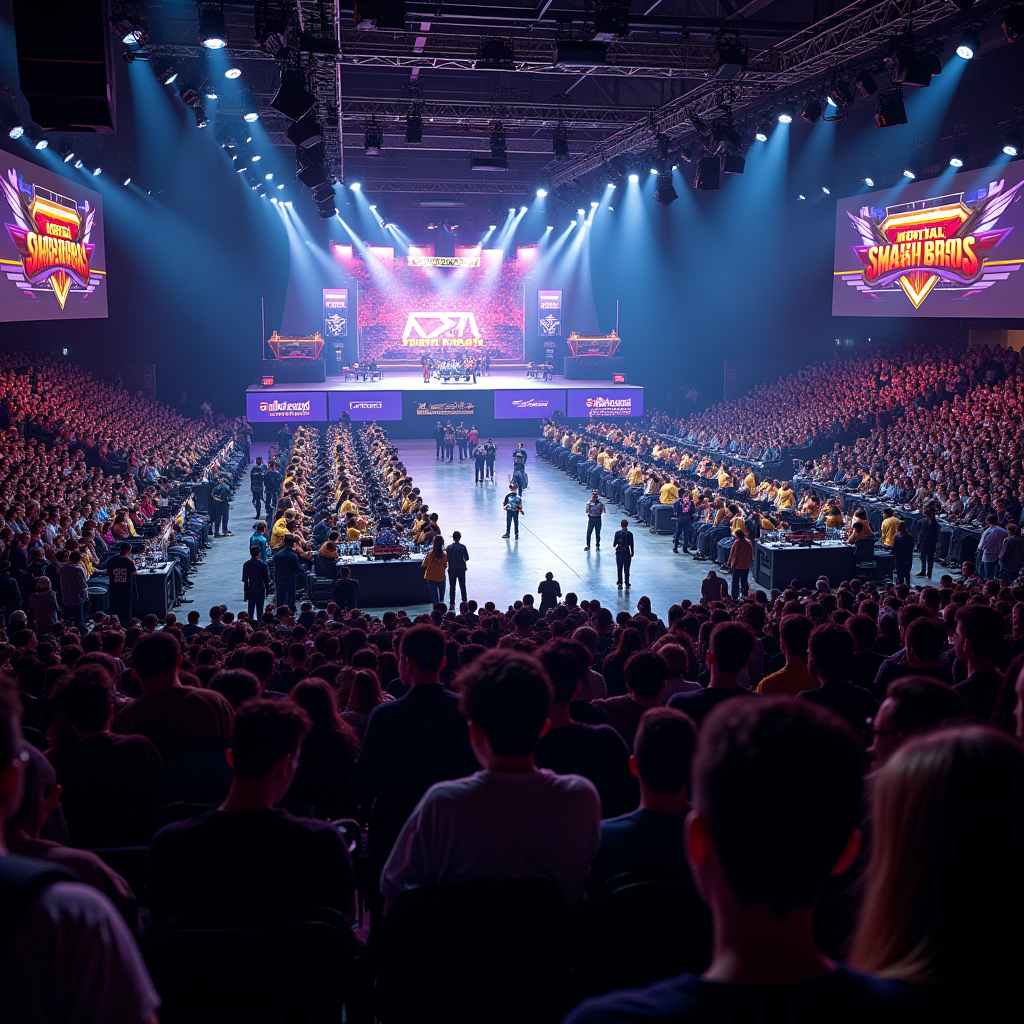
The fighting game community (FGC) has always been known for its passionate, dedicated players and intense rivalries. But 2025 has marked a watershed moment in the community's evolution. What was once a landscape of separate, sometimes competing subcultures—Street Fighter purists, Tekken technicians, Mortal Kombat enthusiasts, and Smash Bros. devotees—has transformed into an interconnected ecosystem of mutual respect, collaboration, and shared growth.
This transformation didn't happen overnight. It's the result of years of grassroots organizing, shifting attitudes among pro players, and a growing recognition that the strength of the FGC lies not in its divisions, but in its diversity. As tournament organizer Sarah "Phoenix" Martinez told me during a recent interview, "We realized that we were all fighting the same battle—to keep our games alive, to grow our communities, and to prove that fighting games matter in the broader esports landscape."
The Historical Divide: Understanding the Separation
To appreciate the significance of 2025's unification, we need to understand the historical context. Fighting game communities have traditionally operated in silos, each with its own culture, terminology, and competitive structure. Street Fighter players spoke of "footsies" and "neutral game," while Tekken players discussed "Korean backdash" and "frame data." Smash Bros. had its own unique vocabulary around "DI" and "tech chasing," and Mortal Kombat players focused on "brutalities" and "krushing blows."
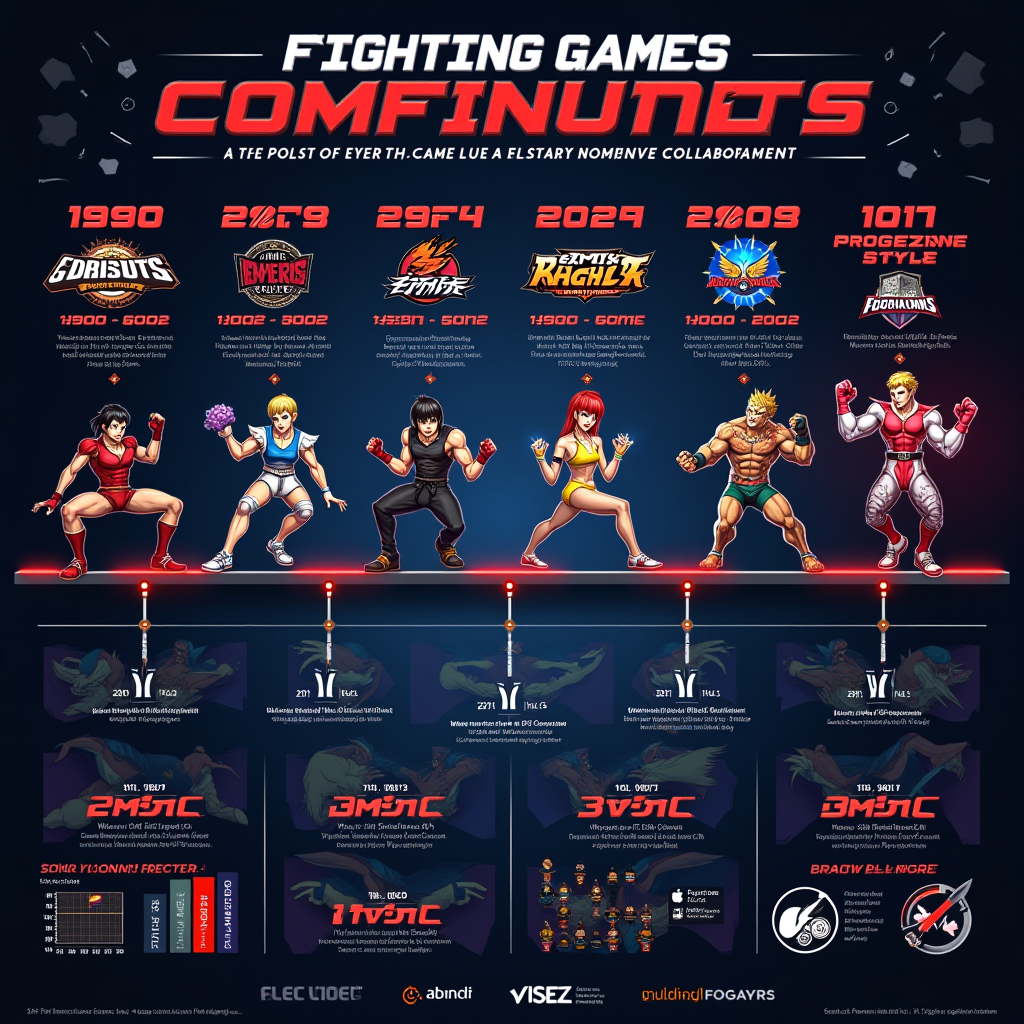
These weren't just linguistic differences—they represented fundamentally different approaches to competitive gaming. Street Fighter emphasized precise spacing and reading opponents. Tekken rewarded technical execution and knowledge of complex move lists. Mortal Kombat combined cinematic presentation with strategic depth. Smash Bros. brought platform fighter mechanics and party game accessibility to the competitive scene.
The Competitive Landscape Before 2025
Before this year, major tournaments typically focused on one franchise or, at most, a few related titles. Evolution Championship Series (EVO) was one of the few events that brought multiple fighting games together, but even there, communities often remained separate. Players would attend for their specific game, compete, and leave without much interaction with other communities.
This separation had real consequences. Sponsorship opportunities were fragmented. Media coverage treated each game as an isolated phenomenon. New players often felt they had to choose a "side" rather than exploring the full spectrum of fighting games. The FGC's potential was limited by its own internal boundaries.
"I remember going to tournaments in 2024 and feeling like I had to pick a lane. You were either a Street Fighter player or a Tekken player, but not both. That mentality held us all back." — James "Velocity" Thompson, multi-game competitor
The Catalysts for Change: What Made 2025 Different
Several key factors converged in 2025 to break down these traditional barriers. The first was economic necessity. As the esports industry matured, fighting games faced increasing competition from team-based titles like League of Legends, Valorant, and Overwatch. Tournament organizers realized that a unified FGC could command more attention, larger prize pools, and better sponsorship deals than fragmented communities.
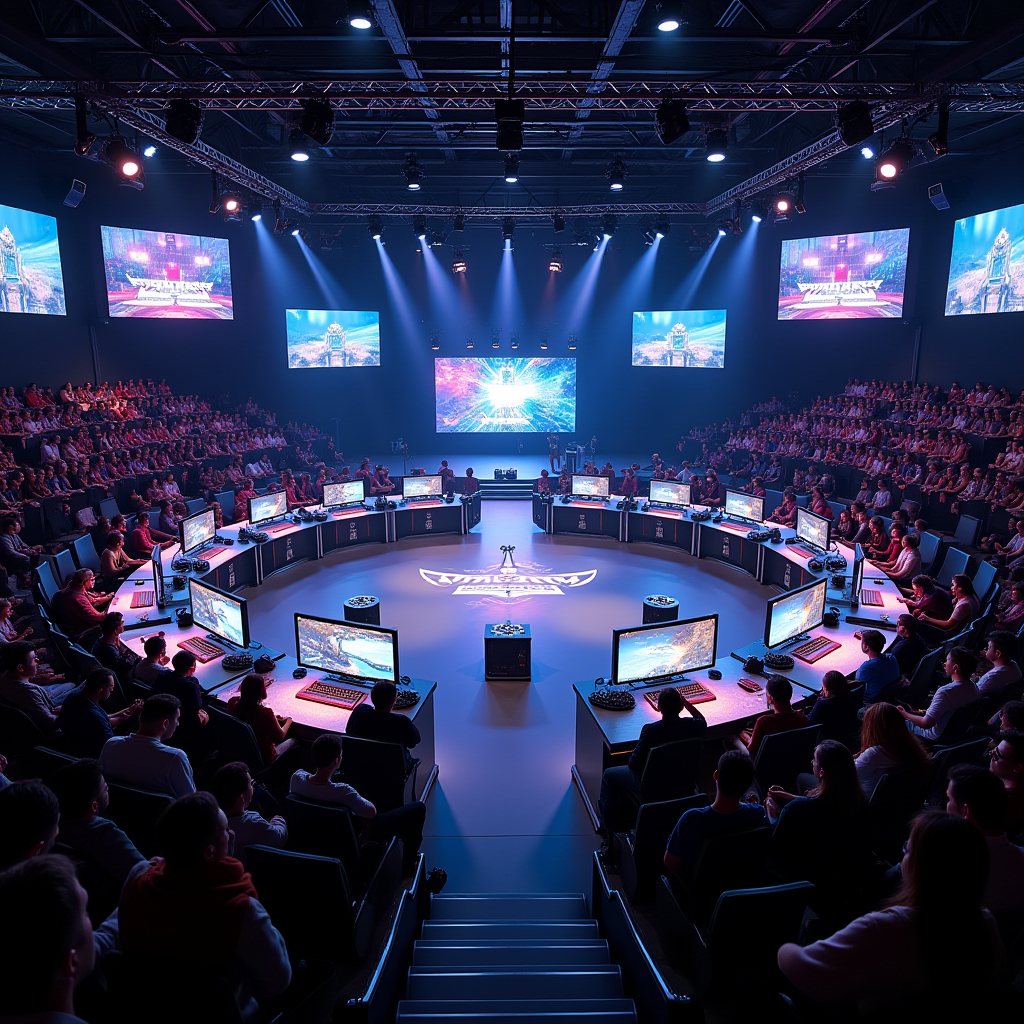
The Rise of Multi-Game Competitors
A new generation of players emerged who refused to be confined to a single game. Players like Kayla "Crossfire" Rodriguez and David "Nexus" Kim became known for their ability to compete at high levels across multiple fighting games. Their success challenged the old notion that mastery required exclusive focus on one title.
These multi-game competitors became ambassadors between communities. They brought Street Fighter players to Tekken events and vice versa. They shared knowledge, techniques, and perspectives that enriched all the games they touched. Most importantly, they demonstrated that the skills developed in one fighting game could transfer to others—that the FGC was united by common principles of competition, adaptation, and respect.
Community-Organized Cross-Game Events
Grassroots organizers took the lead in creating events that celebrated the entire FGC. The "Unity Series," launched in March 2025, featured tournaments for Street Fighter 6, Tekken 8, Mortal Kombat 1, and Super Smash Bros. Ultimate under one roof. Unlike traditional multi-game events, the Unity Series actively encouraged cross-pollination through shared practice spaces, combined social events, and exhibition matches featuring players outside their main games.
"The Unity Series changed everything. For the first time, I saw Street Fighter legends sitting down to learn Tekken combos, and Smash players asking about frame data in traditional fighters. The barriers just melted away when people realized we all shared the same passion."
These events proved commercially successful as well. Attendance exceeded expectations by 40%, and online viewership numbers rivaled those of single-game majors. Sponsors took notice, with several major brands signing deals to support the entire FGC rather than individual game communities.
Shared Tournaments: The New Competitive Model
The success of community-organized events inspired larger tournament organizers to adopt similar models. By mid-2025, major circuits began restructuring their formats to emphasize cross-game participation and community interaction.

The Unified Championship Circuit
The most ambitious initiative was the Unified Championship Circuit (UCC), which launched in June 2025. The UCC featured a points system that rewarded players for competing across multiple fighting games. While players could still specialize, those who demonstrated proficiency in multiple titles earned bonus points and qualification advantages.
This system created fascinating dynamics. Top players began studying games outside their comfort zones, not just to earn points, but because they discovered genuine enjoyment in the variety. The competitive meta evolved as players brought insights from one game to another. A Tekken player's understanding of 3D spacing influenced their Street Fighter neutral game. A Smash player's platform movement concepts found applications in traditional fighters.
Exhibition Matches and Cross-Game Challenges
Tournament organizers also introduced exhibition matches that paired players from different game communities. These weren't just novelty acts—they were carefully designed to showcase transferable skills and highlight the common ground between different fighting games.
One memorable exhibition at the Summer Showdown featured legendary Street Fighter player Daigo "The Beast" Umehara facing off against Tekken champion Knee in both Street Fighter 6 and Tekken 8. While each player dominated in their primary game, the matches in their secondary games were surprisingly competitive, demonstrating that fundamental fighting game skills transcend specific titles.
"Watching Daigo adapt to Tekken's 3D movement and Knee work on his Street Fighter footsies was incredible. It showed that at the highest level, fighting game mastery is about understanding universal principles, not just memorizing one game's mechanics." — Tournament commentator Alex "Analyst" Rivera
The Role of Pro Players and Influencers
Professional players and content creators played a crucial role in normalizing cross-game participation. When top players publicly embraced multiple fighting games, it gave permission to the broader community to do the same.

Content Creation and Knowledge Sharing
YouTube channels and Twitch streams dedicated to cross-game content exploded in popularity. Creators like "FGC Academy" produced tutorials that compared mechanics across different fighting games, helping players understand how concepts like frame advantage, spacing, and mix-ups manifested in various titles.
These educational resources lowered the barrier to entry for players wanting to explore new games. Instead of starting from scratch, players could leverage their existing knowledge and quickly understand how familiar concepts worked in unfamiliar contexts. A Street Fighter player learning Tekken could immediately grasp the importance of punishment and frame data, even if the specific numbers and applications differed.
Pro Player Testimonials
When I interviewed several top players about the 2025 unification, their enthusiasm was palpable. Justin Wong, a legendary multi-game competitor, told me: "This is what I've been advocating for years. The FGC is strongest when we support each other. Every fighting game has something unique to offer, and playing multiple games makes you better at all of them."
"I used to think that focusing on one game was the only path to mastery. But in 2025, I started competing in Tekken alongside my main game, Street Fighter, and it completely changed my perspective. The movement skills I developed in Tekken improved my spacing in Street Fighter. The mind games I learned in Street Fighter helped me read opponents in Tekken. We're all part of the same community, and we're all better when we learn from each other."
Community-Organized Cross-Game Events: The Grassroots Movement
While major tournaments and pro players provided visibility, the real heart of the 2025 unification came from grassroots community organizers. Local scenes across the world began hosting weekly events that featured multiple fighting games, creating spaces where players could explore different titles without the pressure of major competition.
The Weekly Warrior Series
One standout example is the "Weekly Warrior" series that started in Los Angeles and quickly spread to over 50 cities worldwide. These events featured a rotating schedule of fighting games, with each week focusing on a different title but always including casual setups for other games.
The format encouraged experimentation. A Mortal Kombat main might show up for their game's featured week but stick around to try some casual Smash matches. A Tekken player might discover a love for Street Fighter's more deliberate pace. The low-stakes environment fostered learning and community building rather than pure competition.

Online Community Hubs
Discord servers and online forums also played a vital role. The "FGC United" Discord server, launched in January 2025, grew to over 100,000 members by September. The server featured channels for each major fighting game, but also cross-game discussion areas where players could ask questions like "How does Tekken's punishment system compare to Street Fighter's?" or "What Smash Bros. concepts apply to traditional fighters?"
These online spaces became laboratories for knowledge exchange. Players shared frame data comparisons, discussed universal fighting game concepts, and organized online tournaments that featured multiple games. The sense of collective identity strengthened as players realized they had more in common than they had differences.
The Strengthening of FGC Collective Identity
Perhaps the most significant outcome of 2025's unification has been the strengthening of the FGC's collective identity. Players increasingly identify as "FGC members" first and game-specific players second. This shift has profound implications for the community's future.
Mutual Support Systems
When a new fighting game launches, the entire FGC now rallies to support it. When Guilty Gear Strive received a major update in August 2025, players from Street Fighter, Tekken, and other communities showed up to try it out and provide feedback. This cross-pollination benefits everyone—new games get larger player bases, and established games benefit from fresh perspectives.
The mutual support extends beyond just playing games. When a community member faces hardship, the entire FGC responds. Fundraisers for players dealing with medical issues or financial difficulties now draw support from across all fighting game communities. The sense of "we're all in this together" has never been stronger.
Advocacy and Representation
A unified FGC also has more power when advocating for the community's interests. When negotiating with tournament organizers, sponsors, or game developers, a collective voice carries more weight than fragmented communities. In 2025, the FGC successfully lobbied for better prize pool distribution, improved player support at major events, and more inclusive tournament formats.
"Before 2025, we were competing for scraps. Each game community was trying to prove it deserved support, often at the expense of other fighting games. Now we present a united front. We tell sponsors and organizers: support the FGC as a whole, and you'll reach a passionate, engaged audience across multiple games. That message resonates much more powerfully than any single game community could achieve alone."
Insights from Tournament Organizers
Tournament organizers have been at the forefront of the 2025 unification, and their perspectives offer valuable insights into how and why this transformation succeeded.
Logistical Challenges and Solutions
Running multi-game events presents unique challenges. Different games require different setups, have different competitive formats, and attract different audiences. Tournament organizers had to develop new systems to manage these complexities while maintaining high-quality experiences for all participants.
Sarah Martinez, who organized several major cross-game events in 2025, explained her approach: "The key is treating each game with equal respect while finding synergies. We schedule games so players can participate in multiple tournaments without conflicts. We create shared spaces where communities can interact naturally. And we make sure every game gets quality stream time and commentary."
Financial Sustainability
One concern about cross-game events was whether they could be financially sustainable. Would spreading resources across multiple games dilute the experience? The data from 2025 suggests the opposite. Cross-game events attracted larger audiences, both in-person and online, leading to increased revenue from tickets, merchandise, and sponsorships.
The economies of scale also helped. Shared venue costs, combined marketing efforts, and unified sponsorship packages made cross-game events more cost-effective than running separate tournaments for each game. This financial sustainability ensures that the unified FGC model can continue and expand in future years.
Looking Forward: The Future of the Unified FGC
As we approach the end of 2025, the question on everyone's mind is: what comes next? The unification of fighting game communities has been remarkably successful, but maintaining and building on this momentum will require continued effort and innovation.

Expanding the Circle
One exciting possibility is expanding the unified FGC to include more games. While Street Fighter, Tekken, Mortal Kombat, and Smash Bros. have been the primary focus, other fighting games like Guilty Gear, Dragon Ball FighterZ, and King of Fighters have passionate communities that could benefit from greater integration.
There's also potential to bridge the gap between traditional fighting games and platform fighters more effectively. While Smash Bros. has been part of the unification, some platform fighter communities still feel separate from the broader FGC. Creating more opportunities for cross-pollination between these subgenres could further strengthen the community.
International Collaboration
The 2025 unification has been primarily focused on North American and European communities, but the FGC is truly global. Japanese, Korean, and Latin American fighting game scenes have their own rich traditions and could contribute immensely to the unified FGC. Future efforts should focus on creating more international collaboration and exchange.
Preserving Individual Game Identities
An important consideration for the future is maintaining the unique identities of individual game communities while fostering overall unity. The goal isn't to homogenize the FGC but to create a framework where different games and communities can thrive while supporting each other.
"We don't want Street Fighter to become Tekken or vice versa. Each game's unique characteristics are what make the FGC diverse and interesting. The unification is about mutual respect and support, not about erasing differences. It's about celebrating what makes each game special while recognizing our common ground." — Tournament organizer and community leader
Conclusion: A New Era for the FGC
The unification of fighting game communities in 2025 represents more than just a trend or temporary collaboration. It marks a fundamental shift in how the FGC understands itself and its place in the broader gaming landscape. By breaking down barriers between Street Fighter, Tekken, Mortal Kombat, Smash Bros., and other fighting games, the community has unlocked new potential for growth, innovation, and mutual support.
The success of shared tournaments, community-organized cross-game events, and the strengthening of collective identity demonstrates that the FGC is stronger together than apart. Players benefit from exposure to different games and playstyles. Tournament organizers can create more sustainable and exciting events. Sponsors and media outlets can engage with a larger, more unified audience.
Most importantly, the 2025 unification has reinforced what many in the FGC have always known: at its core, the fighting game community is about more than just the games we play. It's about competition, respect, continuous improvement, and shared passion. These values transcend any individual title and unite us all as members of the FGC.
As we look toward 2026 and beyond, the foundation laid in 2025 provides a strong platform for continued growth and collaboration. The barriers that once separated fighting game communities have been broken down, replaced by bridges of mutual understanding and support. The FGC's collective identity has never been stronger, and the future has never looked brighter.
"2025 will be remembered as the year the FGC truly came together. We stopped asking 'which game is best?' and started asking 'how can we make all our games better?' That shift in mindset changed everything. We're not just a collection of separate communities anymore—we're one FGC, united by our love of competition and our respect for each other."
The journey toward unity hasn't always been easy, and challenges remain. But the progress made in 2025 proves that when fighting game communities work together, support each other, and recognize their common ground, everyone benefits. The FGC's best days aren't behind us—they're ahead of us, built on the foundation of collaboration and mutual respect established this year.
Whether you're a Street Fighter veteran, a Tekken technician, a Mortal Kombat enthusiast, or a Smash Bros. competitor, you're part of something larger than any single game. You're part of the FGC—a global community united by passion, dedication, and the eternal pursuit of improvement. And in 2025, that community has never been more united or more powerful.