In the ever-evolving landscape of gaming culture, few phenomena have demonstrated the remarkable staying power of speedrunning communities dedicated to classic titles from the 1990s and early 2000s. As we approach the end of 2025, these communities are not merely surviving—they're experiencing an unprecedented renaissance that has caught the attention of both veteran gamers and newcomers alike. From the pixel-perfect precision required in Super Metroid to the intricate routing strategies of The Legend of Zelda: Ocarina of Time, classic speedrunning has become a vibrant cornerstone of modern gaming subcultures.

The resurgence isn't happening in isolation. It represents a fascinating intersection of nostalgia, technological advancement, and the fundamental human desire for mastery and community connection. What makes this moment particularly significant is how these communities have evolved beyond simple gameplay optimization to become sophisticated social ecosystems that foster identity formation, collaborative problem-solving, and cultural preservation.
The Cultural Foundations of Classic Speedrunning's Revival
To understand the current boom in classic speedrunning communities, we must first examine the cultural forces driving renewed interest in these decades-old titles. The phenomenon extends far beyond simple nostalgia, though that certainly plays a role. Today's speedrunning communities represent a unique form of gamer culture that values technical excellence, historical preservation, and collaborative discovery.
Marcus "Velocity" Chen, a prominent Super Metroid speedrunner who has held multiple world records since 2019, offers insight into this cultural shift: "When I started running Super Metroid in 2018, the community was already well-established, but something changed around 2024. We saw an influx of younger runners who grew up watching speedruns on streaming platforms. They brought fresh perspectives and weren't bound by the 'traditional' ways of approaching routes. This generational mixing has been incredible for innovation."
Key Insight: The speedrunning community's growth isn't just about numbers—it's about the quality of engagement and the depth of knowledge being shared across generations of players. This intergenerational exchange has become a defining characteristic of modern gaming communities focused on classic titles.
The role of streaming platforms cannot be overstated in this resurgence. While speedrunning existed long before Twitch and YouTube Gaming became household names, these platforms have transformed isolated individual pursuits into shared communal experiences. Viewers don't just watch runs; they participate in route discussions, celebrate discoveries, and form lasting connections with both runners and fellow spectators.
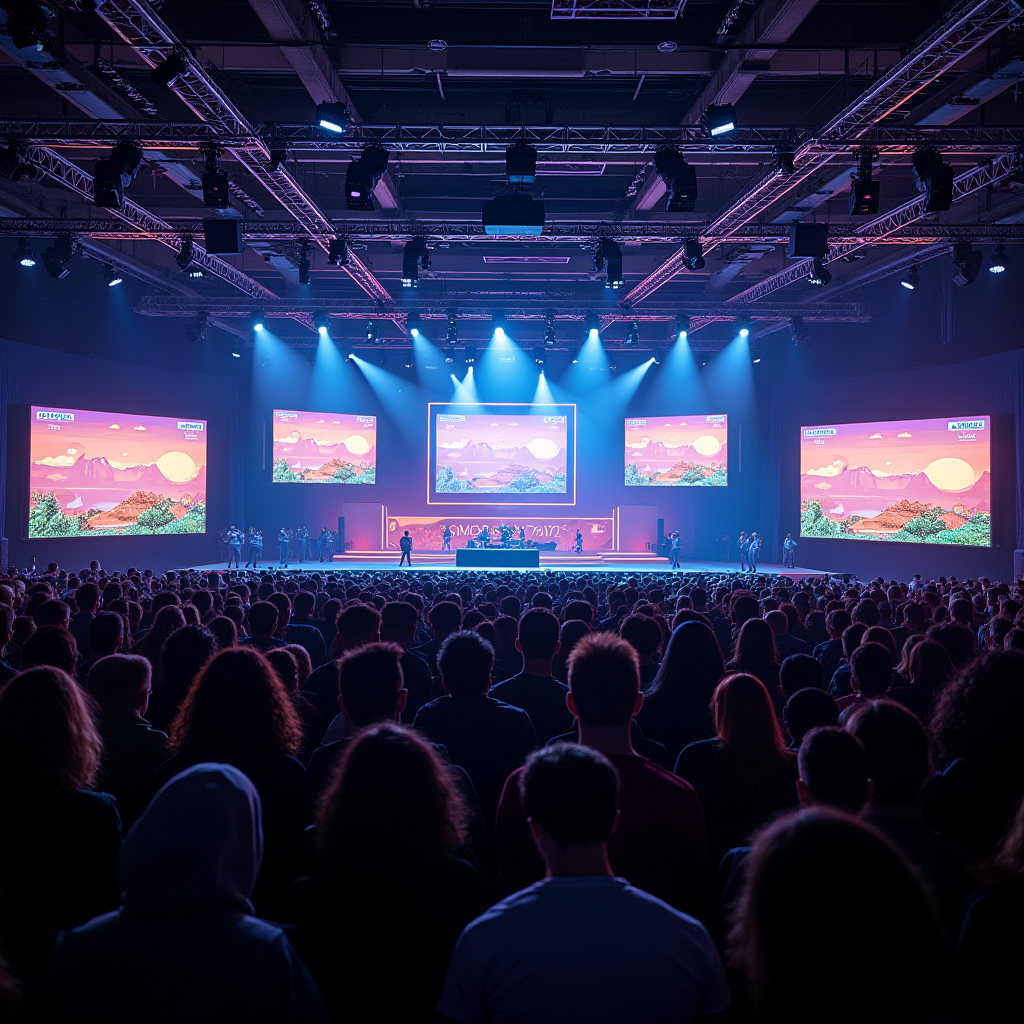
Dr. Sarah Kimura, a researcher specializing in gaming communities at the Digital Culture Institute, has been studying this phenomenon extensively. "What we're seeing with classic speedrunning communities is a form of cultural preservation that happens organically through play," she explains. "These communities aren't just keeping old games alive—they're creating living archives of gaming history, complete with detailed documentation, strategy evolution, and social practices that have developed over decades."
Technical Innovation and Route Discovery: The Never-Ending Puzzle
One of the most compelling aspects of the classic speedrunning resurgence is the continuous discovery of new techniques and routes in games that are, in some cases, over 25 years old. This ongoing innovation challenges the assumption that older games have been "solved" and demonstrates the remarkable depth of classic game design.
The Ocarina of Time speedrunning community exemplifies this perfectly. In early 2025, runners discovered a new sequence break that shaved nearly 30 seconds off the Any% world record—in a game released in 1998. This discovery sent shockwaves through the community and reignited interest in a category that some had considered optimized to its limits.
Jennifer "GlitchQueen" Rodriguez, who specializes in Resident Evil 4 speedruns, describes the thrill of discovery: "Every time someone finds a new skip or optimizes a movement sequence, it's like uncovering a hidden layer of the game that's been there all along. We're not just playing these games—we're having conversations with the developers across time, finding things they never intended but that emerge from the complex systems they created."

The technical sophistication required for modern classic speedrunning has evolved dramatically. Runners now employ frame-perfect inputs, exploit obscure memory manipulation techniques, and utilize routing strategies that would have seemed impossible a decade ago. This technical depth has created multiple entry points for community participation—from casual runners learning basic routes to theorycrafters who spend hours analyzing game code to find potential optimizations.
The Role of Tool-Assisted Speedruns in Innovation
Tool-assisted speedruns (TAS) have become increasingly important in pushing the boundaries of what's possible in classic games. These frame-by-frame perfect runs, created using emulator tools, serve as both inspiration and roadmap for human runners. The relationship between TAS creators and real-time speedrunners has evolved into a symbiotic partnership that drives innovation across the community.
Thomas "FramePerfect" Anderson, a TAS creator who focuses on Super Metroid, explains: "When we create a TAS, we're essentially asking, 'What's theoretically possible?' Then the human runners take that and ask, 'What's humanly achievable?' The gap between those two questions is where the most exciting developments happen. We've seen runners accomplish things in real-time that we thought would remain TAS-only for years."
Community Structure and Social Dynamics
The social architecture of classic speedrunning communities reveals sophisticated patterns of organization, knowledge sharing, and identity formation. These aren't simply groups of people playing old games—they're complex social ecosystems with their own norms, hierarchies, and cultural practices that reflect broader trends in gaming social dynamics.
"The speedrunning community taught me more about collaboration and mutual support than any other gaming space I've been part of. When someone breaks your record, the first thing you do is congratulate them and analyze what they did better. It's competitive, but it's also deeply cooperative."
Community building in speedrunning contexts operates on multiple levels simultaneously. At the grassroots level, Discord servers and forum threads serve as knowledge repositories where runners share strategies, troubleshoot technical issues, and provide encouragement. These spaces have become essential infrastructure for community maintenance and growth.

Rachel Kim, who organizes the annual RetroSpeed Marathon, has witnessed firsthand how these communities function: "What strikes me most is the generosity of knowledge sharing. Top runners will spend hours helping newcomers understand basic techniques. There's this understanding that growing the community benefits everyone—more runners means more innovation, more competition, and more fun for everyone involved."
The Mentorship Pipeline
One of the most significant developments in recent years has been the formalization of mentorship within speedrunning communities. Experienced runners now regularly host tutorial streams, create comprehensive guides, and offer one-on-one coaching to newcomers. This structured approach to knowledge transfer has dramatically lowered the barrier to entry for new community members.
The impact of this mentorship culture extends beyond technical skill development. New runners learn not just how to execute tricks and optimize routes, but also how to engage with the community, handle the psychological challenges of grinding for personal bests, and contribute to the collective knowledge base. This holistic approach to community integration has been crucial in sustaining growth and maintaining the welcoming atmosphere that characterizes many classic speedrunning communities.
Platform-Based Communities and Cross-Pollination
While individual game communities maintain their distinct identities, there's significant cross-pollination between different platform-based communities. Runners who specialize in Nintendo 64 titles often share techniques and strategies that apply across multiple games, creating a meta-community united by platform-specific knowledge and shared technical challenges.

This platform-based organization reflects broader patterns in gamer identity formation. Runners often identify not just with specific games but with entire eras of gaming, particular hardware limitations, and the unique feel of different control schemes. A PlayStation 1 speedrunner brings different sensibilities and technical knowledge than someone focused on Super Nintendo titles, yet both contribute to the larger tapestry of classic speedrunning culture.
David "ConsoleKing" Park, who runs games across multiple retro platforms, observes: "There's something special about understanding the quirks of specific hardware. When you know how the PlayStation 1 handles loading times or how the N64's memory architecture works, you start seeing connections between games that seem unrelated on the surface. That cross-game knowledge is incredibly valuable and creates these interesting bridges between different communities."
The Economics of Classic Speedrunning
The economic landscape surrounding classic speedrunning has evolved significantly, creating new opportunities for community sustainability and growth. While top runners can now earn income through streaming, sponsorships, and tournament prizes, the economic model remains fundamentally different from esports focused on contemporary competitive games.
Economic Reality: Most classic speedrunners aren't pursuing financial gain as their primary motivation. However, the ability to monetize their passion has enabled more runners to dedicate serious time to the craft, leading to faster innovation cycles and more sophisticated community infrastructure.
Charity marathons like Games Done Quick have become major economic engines for the community, raising millions of dollars annually while providing showcase opportunities for runners. These events serve multiple functions: they generate revenue that supports community infrastructure, introduce speedrunning to new audiences, and create aspirational goals for developing runners.
The economic sustainability of classic speedrunning communities also depends on the preservation and accessibility of original hardware and games. As physical copies of classic titles become increasingly expensive, communities have had to navigate complex questions about emulation, reproduction cartridges, and the ethics of game preservation. These discussions reflect broader tensions in gaming culture between authenticity, accessibility, and legal compliance.
Nostalgia, Identity, and the Future of Gaming Culture
Perhaps the most profound aspect of the classic speedrunning resurgence is what it reveals about nostalgia's role in modern gaming culture. These communities aren't simply looking backward—they're actively recontextualizing classic games for contemporary audiences, creating new meanings and experiences from familiar content.

Dr. Kimura's research suggests that speedrunning communities serve as bridges between gaming's past and future: "These communities are performing important cultural work. They're showing that games don't have expiration dates, that there's always more to discover, and that the social bonds formed around shared gaming experiences can persist and evolve over decades. That's a powerful counter-narrative to the industry's constant push toward the new and the next."
For many participants, involvement in classic speedrunning communities becomes a core component of their gamer identity. The skills, knowledge, and social connections developed through speedrunning extend beyond the games themselves, influencing how individuals approach challenges, think about optimization, and engage with other gaming communities.
The Intergenerational Appeal
One of the most striking features of the current speedrunning landscape is its intergenerational appeal. Players who grew up with these games in the 1990s run alongside teenagers discovering them for the first time. This age diversity creates unique dynamics where historical knowledge and fresh perspectives combine to drive innovation.
Maria Santos, a 19-year-old Ocarina of Time runner, represents this new generation: "I wasn't even born when this game came out, but the community made me feel welcome from day one. There's something special about learning a game that has this much history, knowing that the techniques I'm using were discovered by people who've been running for longer than I've been alive. It connects me to gaming history in a way that playing new games never could."
Challenges and Future Directions
Despite the current vitality of classic speedrunning communities, challenges remain. Hardware degradation poses ongoing concerns—original controllers and consoles don't last forever, and the community must continually adapt to changing technological realities. Questions about the legitimacy of different input methods, the role of emulation, and the standardization of timing methods continue to generate discussion and occasional controversy.

The community also faces questions about growth and accessibility. As speedrunning becomes more sophisticated and competitive, there's tension between maintaining high standards and ensuring that newcomers don't feel overwhelmed. Different communities have approached this challenge in various ways, from creating beginner-friendly categories to developing comprehensive tutorial resources.
Looking forward, the integration of new technologies presents both opportunities and challenges. Modern capture equipment, streaming tools, and analysis software have made speedrunning more accessible than ever, but they also raise questions about what constitutes "authentic" speedrunning and how to maintain competitive integrity across different technological setups.
Conclusion: The Enduring Power of Community
The resurgence of classic speedrunning communities in 2025 represents more than a nostalgic return to beloved games—it demonstrates the enduring power of community-driven gaming culture. These communities have created spaces where technical mastery, collaborative discovery, and social connection intersect in ways that enrich the gaming experience for all participants.
As we've explored throughout this article, the factors driving this resurgence are complex and interconnected. Technological advancement has made speedrunning more accessible and visible. Streaming platforms have transformed solitary pursuits into shared experiences. The games themselves continue to reveal new depths and possibilities. And perhaps most importantly, the communities have cultivated cultures of generosity, innovation, and mutual support that make them attractive destinations for gamers seeking meaningful engagement.

The lessons from classic speedrunning communities extend beyond their immediate context. They demonstrate how gaming communities can maintain vitality over decades, how knowledge can be preserved and transmitted across generations, and how competition and collaboration can coexist productively. These insights have implications for understanding community building in games more broadly and for thinking about how gaming culture might evolve in the years ahead.
As Marcus Chen reflected in a recent stream: "When I started speedrunning, I just wanted to get good at a game I loved. What I found was a community that challenged me, supported me, and showed me that there's always another level to reach. That's what keeps me coming back, and I think that's what will keep these communities thriving for years to come."
The resurgence of classic speedrunning communities reminds us that in gaming, as in life, the journey matters as much as the destination. These communities aren't just about achieving faster times—they're about the relationships formed, the knowledge shared, and the collective joy of pushing boundaries together. As long as there are games to play and communities to share them with, the spirit of speedrunning will continue to thrive, connecting past, present, and future in the endless pursuit of perfection.