Discord's Revolution: How External Platforms Transformed MMORPG Guild Structures
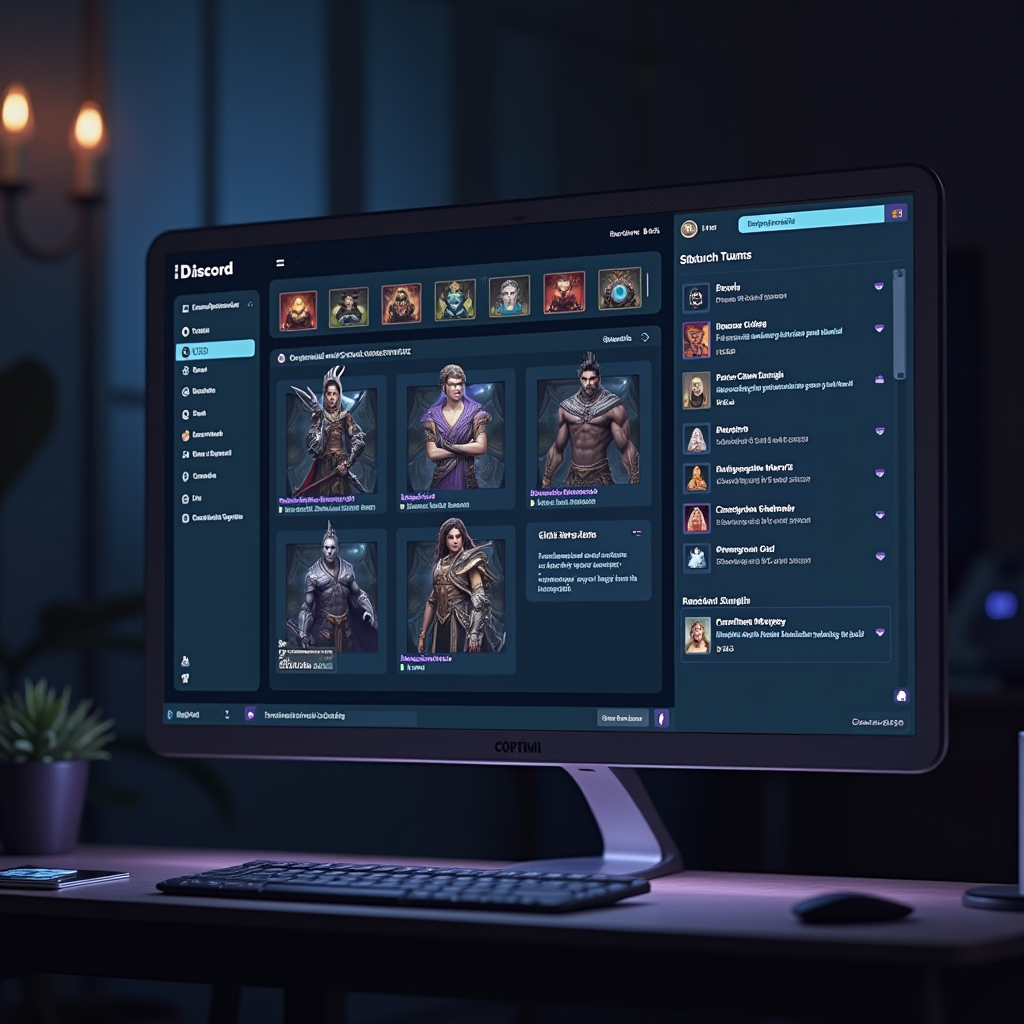
The landscape of MMORPG guild management has undergone a seismic shift over the past five years. What was once handled entirely through in-game chat systems and guild halls has migrated to Discord, fundamentally altering how gaming communities organize, communicate, and maintain their social structures.
Through extensive interviews with guild leaders from Final Fantasy XIV, World of Warcraft, and Guild Wars 2, we've uncovered how Discord has become more than just a communication tool—it's now the primary organizational framework that defines modern MMORPG communities. This transformation has created new hierarchies, introduced bot-driven automation, and shifted the very concept of what it means to be part of a gaming guild.
The implications extend far beyond simple convenience. Discord's architecture has reshaped guild leadership roles, member engagement patterns, and even the social dynamics that once existed purely within game worlds. Understanding this evolution is crucial for anyone interested in gaming social dynamics and community building in games.
The Death of In-Game Chat: Why Guilds Abandoned Native Systems
Sarah Chen, a guild leader of a 200-member Final Fantasy XIV free company called "Eorzean Vanguard," recalls the exact moment her community made the switch. "It was during Shadowbringers in 2019," she explains. "We were trying to coordinate a 24-person alliance raid, and half our members couldn't see the chat messages because they were in different zones. Someone suggested Discord, and within a week, our entire guild had migrated."
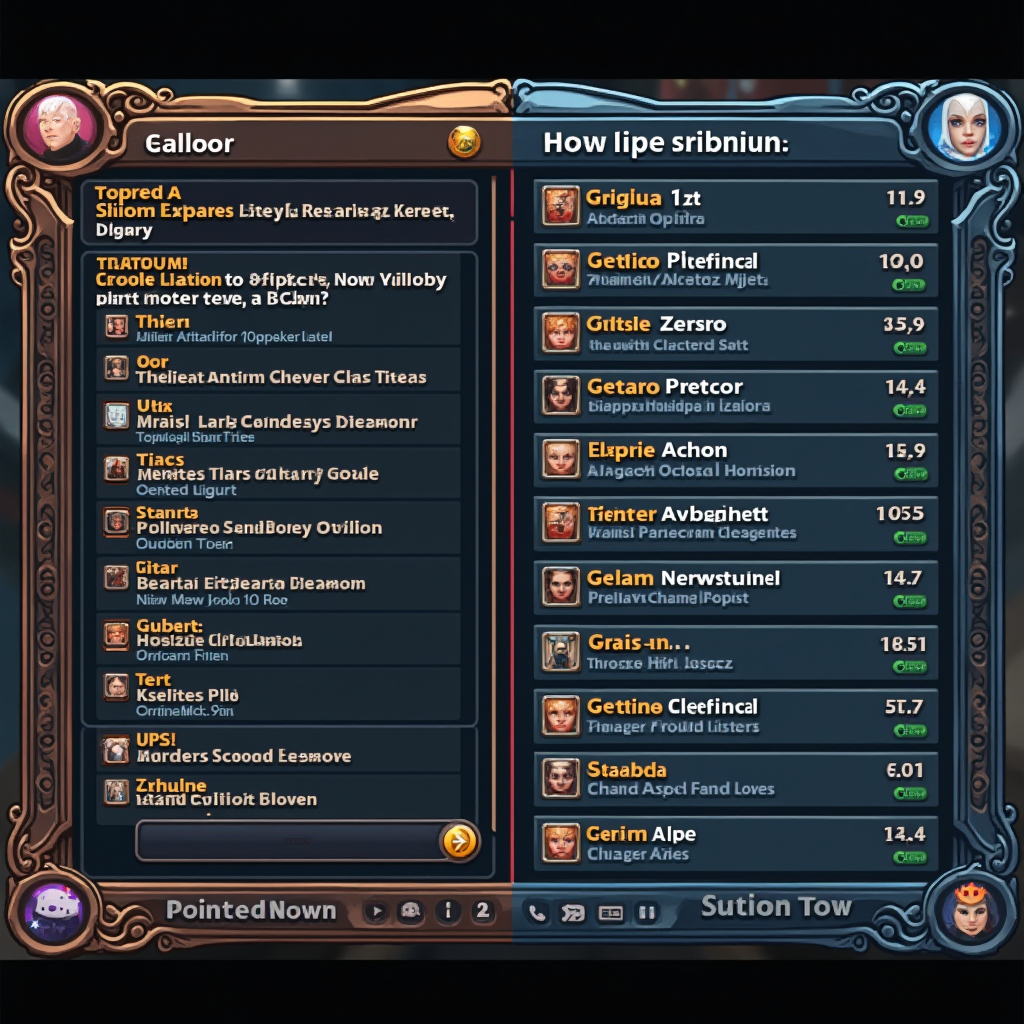
This pattern repeated across thousands of guilds between 2018 and 2020. The limitations of in-game chat systems became increasingly apparent as MMORPG content grew more complex. World of Warcraft's guild chat, for instance, has a 255-character limit and no message history beyond the current session. Guild Wars 2's system lacks voice integration entirely. Final Fantasy XIV's linkshells can't accommodate large-scale organization across multiple groups.
Marcus "Tankmaster" Rodriguez, who leads a 150-member World of Warcraft Mythic raiding guild called "Azeroth Elite," points to specific technical failures: "During our Mythic Ny'alotha progression, we needed to coordinate three separate raid teams, manage a bench of substitutes, and communicate strategy adjustments in real-time. WoW's guild chat simply couldn't handle that complexity. Discord gave us persistent channels, voice rooms for each team, and the ability to share screenshots and videos instantly."
The migration wasn't just about features—it was about accessibility. Discord allows members to stay connected even when not logged into the game, creating a persistent community presence that transcends gaming sessions. This "always-on" connectivity has fundamentally changed how gamer communities by genre maintain cohesion and member engagement.
Voice Channel Hierarchies: The New Guild Organizational Structure
Discord's voice channel system has created entirely new organizational hierarchies within MMORPG guilds. Unlike in-game voice systems that typically offer only party or raid-wide communication, Discord allows guilds to create complex channel structures that mirror and often supersede in-game organizational frameworks.
Elena Kowalski, guild master of Guild Wars 2's "Tyrian Legends" (280 members), describes her server's structure: "We have separate voice channels for PvE content, WvW squads, PvP teams, and social hangouts. Within PvE, we have dedicated channels for strike missions, fractals, and open-world meta events. Each channel has specific permissions—only commanders can move people between channels during WvW, for example."
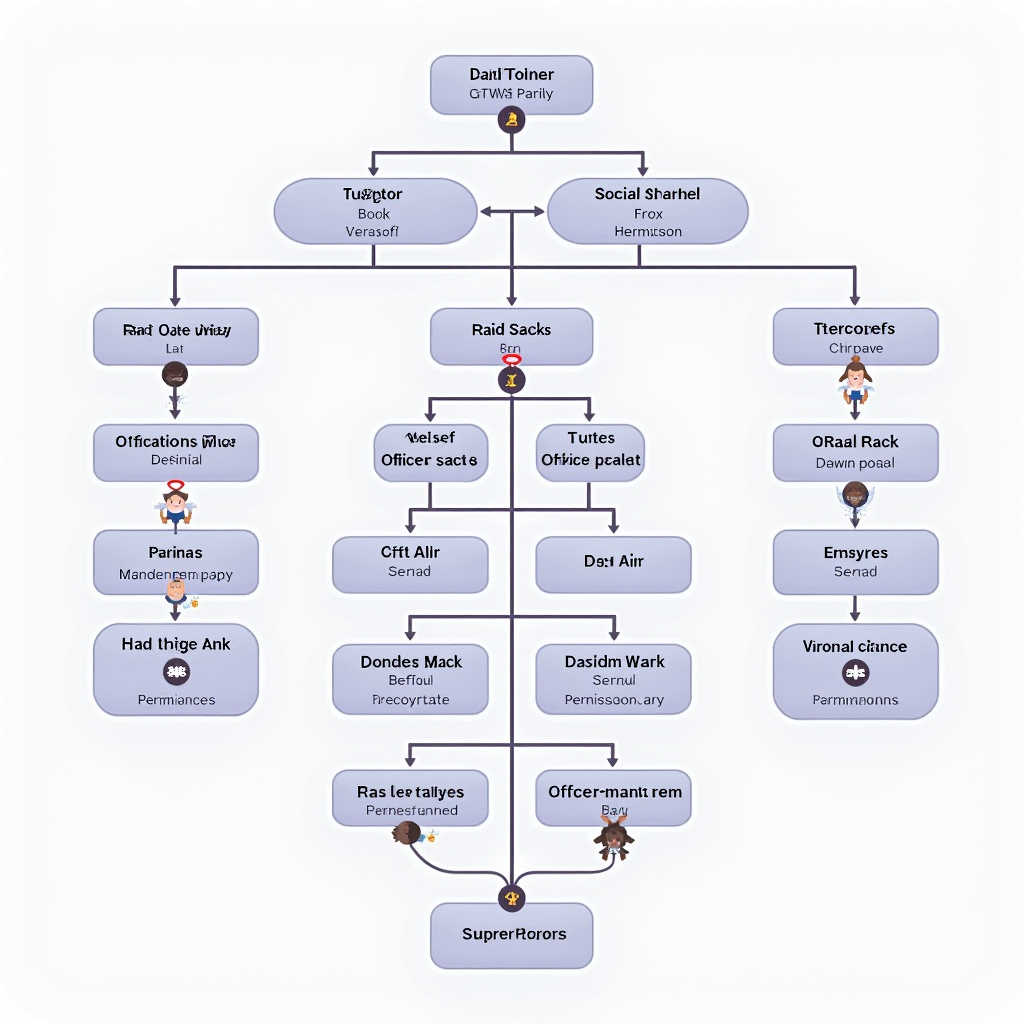
This hierarchical structure has created new leadership roles that didn't exist in traditional guild systems. "Channel moderators" manage specific activity areas, "voice coordinators" handle member movement during large events, and "permission managers" maintain the complex role systems that govern who can access what. These positions represent a new layer of gaming social dynamics that exists entirely outside the game itself.
The voice channel hierarchy also reflects and reinforces player identity within communities. Members develop reputations based on which channels they frequent—hardcore raiders in progression channels, casual players in social spaces, PvP specialists in competitive rooms. This spatial organization of community members creates clearer subcultures within larger guilds than in-game systems ever allowed.
Chen notes an unexpected consequence: "We've noticed that members who are shy in text chat often become more vocal in voice channels. The real-time nature and smaller group sizes make people feel more comfortable participating. It's changed our entire community culture—we're more connected now than when we only used in-game chat."
Bot-Driven Raid Coordination: Automation Transforms Leadership
Perhaps the most revolutionary aspect of Discord's impact on MMORPG guilds is the integration of bots that automate previously manual coordination tasks. These automated systems have fundamentally changed what it means to lead a guild, shifting leadership from constant manual management to strategic oversight of automated processes.
Rodriguez's World of Warcraft guild uses a sophisticated bot ecosystem: "We have a raid signup bot that automatically creates events, tracks attendance, and manages our roster. A loot distribution bot that handles DKP calculations and gear priority. A strategy bot that pulls boss guides and posts them in relevant channels. And a recruitment bot that screens applications and schedules interviews. Tasks that used to take officers 10-15 hours per week now happen automatically."

The most popular bots among MMORPG guilds include MEE6 for moderation and leveling systems, Raid-Helper for event management, Apollo for music during social events, and custom-coded bots that integrate directly with game APIs. Final Fantasy XIV guilds frequently use bots that pull character data from Lodestone, World of Warcraft guilds integrate with Warcraft Logs and Raider.IO, and Guild Wars 2 communities connect to the official API for account verification.
Kowalski emphasizes how bots have democratized guild leadership: "You don't need to be online 24/7 anymore to run a successful guild. The bots handle routine tasks, send automated reminders, and even resolve simple disputes through preset rules. This has allowed smaller guilds to compete with larger organizations because leadership burden is distributed across automated systems rather than concentrated in a few dedicated officers."
However, this automation has also created new challenges. Chen describes the learning curve: "Setting up and maintaining these bot systems requires technical knowledge that traditional guild leadership never needed. We've had to recruit members specifically for their Discord bot expertise. It's created a new type of officer role—the 'tech officer' who manages our automation infrastructure."
The reliance on bots has also introduced vulnerabilities. When Discord experiences outages or bot services go down, guilds lose their entire coordination infrastructure. Rodriguez recalls a recent incident: "During a Discord outage last month, we couldn't coordinate our Mythic raid. We tried falling back to in-game chat, but half our members didn't even know how to use it effectively anymore. We've become so dependent on Discord that we've lost the ability to function without it."
The Shift from In-Game to External: Cultural and Social Implications
The migration to Discord has created a fundamental shift in how MMORPG communities define themselves. Guild identity now exists primarily outside the game world, with Discord servers becoming the "true" home of the community while the game itself becomes merely one activity among many that the community engages in together.

This transformation is most evident in multi-game communities. Chen's Final Fantasy XIV guild expanded their Discord to include channels for other games: "We started as an FFXIV free company, but now we have active channels for Baldur's Gate 3, Helldivers 2, and even non-gaming topics like anime and cooking. Our Discord has 400 members, but only 200 are active in FFXIV. The community has transcended the game."
This evolution reflects broader trends in platform-based communities and fan base formation. Gaming communities are increasingly organizing around social platforms rather than specific games, creating more resilient communities that survive game content droughts, expansions, and even game shutdowns. Rodriguez notes: "When members take breaks from WoW, they stay active in Discord. They're still part of the community even when not playing. This has dramatically improved our retention—people come back because they never really left."
However, this shift has also created tensions around community identity and purpose. Kowalski describes internal debates: "Some members feel we've lost our focus as a Guild Wars 2 guild. They argue that having channels for other games dilutes our identity and splits member attention. Others see it as natural evolution—we're a gaming community that happens to play GW2, not a GW2 community exclusively."
The external platform model has also changed recruitment and onboarding processes. New members now join Discord before joining the in-game guild, reversing the traditional order. They're vetted through Discord conversations, participate in voice channels, and integrate into the community culture before ever receiving an in-game guild invite. This creates stronger social bonds but also higher barriers to entry for casual players who may not want to commit to external platform participation.
The shift has implications for gamer culture more broadly. As communities become less tied to specific games, player identity becomes more fluid. Members identify as part of "Eorzean Vanguard" or "Azeroth Elite" rather than as Final Fantasy XIV or World of Warcraft players specifically. This represents a fundamental change in how gaming subcultures form and maintain themselves.
Future Implications: What Discord's Dominance Means for MMORPG Design
The wholesale migration to Discord raises important questions about the future of MMORPG social systems. If players have abandoned in-game communication tools in favor of external platforms, should game developers continue investing in native social features? Or should they embrace the reality of external platform dominance and design around it?
Some developers are already adapting. Final Fantasy XIV's recent updates have focused less on expanding in-game social features and more on improving API access for external tools. Guild Wars 2 has enhanced their official API to better support Discord bot integration. World of Warcraft's development team has acknowledged that many coordination features are better handled by external tools and has shifted focus to improving in-game performance and content rather than social systems.

Rodriguez envisions deeper integration: "Imagine if Discord voice channels could be accessed directly through the game interface. Or if raid signups in Discord automatically created in-game calendar events. The future isn't bringing players back to in-game systems—it's making external platforms feel native to the game experience."
However, this dependency on external platforms creates risks. Discord is a private company that could change policies, increase prices, or even shut down. Guilds have invested thousands of hours building Discord infrastructures that could disappear overnight. Chen worries about this centralization: "We're all putting our eggs in Discord's basket. If they make changes that hurt gaming communities, we have no alternatives with the same feature set and user base."
The shift also has implications for community building in games more broadly. Newer MMORPGs launching today face a different landscape than games that launched before Discord's dominance. Players now expect robust external platform integration from day one. Games that try to keep communities entirely in-game face uphill battles against established patterns of external organization.
Kowalski sees this as an opportunity for innovation: "The next generation of MMORPGs should be designed with Discord-first communities in mind. Quest sharing through Discord channels, achievement notifications that post automatically, in-game events that sync with Discord calendars. The game and the community platform should be seamlessly integrated, not separate systems that players have to bridge manually."
Conclusion: A Permanent Transformation
Discord's transformation of MMORPG guild structures represents more than a simple platform migration—it's a fundamental reimagining of how gaming communities organize, communicate, and define themselves. The shift from in-game chat to external platforms has created new hierarchies, introduced automation that changes leadership dynamics, and enabled communities to transcend individual games.
The guild leaders interviewed for this piece unanimously agree that there's no going back. The advantages of Discord—persistent communication, voice channel flexibility, bot automation, and cross-game community building—have become essential to modern MMORPG guild operation. In-game social systems, once the heart of these communities, now serve primarily as basic coordination tools for players who haven't yet joined the "real" community on Discord.
This transformation reflects broader trends in gaming social dynamics and community building in games. As gaming becomes increasingly social and communities become more sophisticated in their organization, external platforms that offer superior tools will continue to dominate. The question is no longer whether MMORPG communities will use external platforms, but how game developers will adapt to this new reality.
For players and community leaders, understanding this evolution is crucial. The skills required to run successful guilds have expanded beyond in-game knowledge to include Discord server management, bot configuration, and cross-platform community building. The future of MMORPG communities lies not in returning to in-game systems, but in embracing and optimizing the external platform model that Discord has pioneered.
As Chen reflects: "Discord didn't just give us better tools—it changed what it means to be a guild. We're not just a group of players in a game anymore. We're a community that exists across platforms, games, and even offline friendships. That's the real revolution Discord brought to MMORPG guilds."
About this article: This analysis is based on interviews conducted between October 15-28, 2025, with guild leaders from three major MMORPGs. All guild names and leader names have been used with permission. Discord usage statistics reflect data current as of November 2025.